

Repricing on Walmart feels simple on the surface. Drop the price, win more clicks, sell more units. In reality, many sellers damage their margins because they reprice without understanding price elasticity. A strong Walmart pricing strategy is not about reacting faster than competitors. It is about knowing how demand responds to price changes and setting guardrails before you act.
This explainer breaks down price elasticity in clear terms, shows why unplanned repricing fails, and explains how sellers can protect profit using data instead of guesswork.
What Is Price Elasticity on Walmart
Price elasticity of demand, often shortened to PED, describes how sensitive buyers are to price changes. It measures how much demand goes up or down when you change the price of a product. The basic formula compares the change in quantity sold to the change in price.
In simple terms, PED equals the change in quantity demanded divided by the change in price.
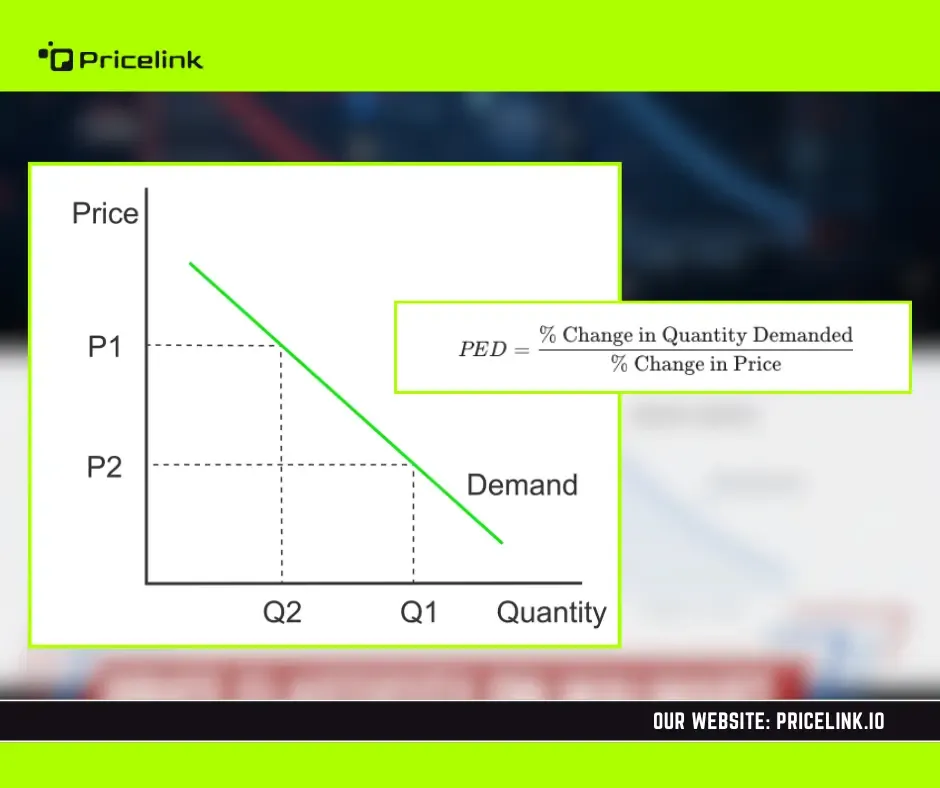
On Walmart, elasticity varies widely by category. If the PED value is greater than 1, the product is considered elastic, meaning demand changes significantly when the price moves. If the PED value is less than 1, the product is inelastic, meaning demand is less sensitive to price changes.
Why Price Changes Do Not Always Increase Sales
Many Walmart sellers assume lower prices automatically lead to higher volume. However, research by McKinsey & Company suggests that factors like delivery reliability often outweigh price for modern consumers. If demand is inelastic, a price drop reduces profit without increasing sales. This is common in categories where buyers prioritize availability and brand trust over a $0.50 difference.
Elastic vs Inelastic Products on Walmart
- Elastic: Highly competitive, commodity-style products (e.g., generic charging cables). Small changes can shift demand significantly.
- Inelastic: Niche products, branded items, or listings with strong reviews (e.g., specialized medical supplies or luxury goods). In these cases, aggressive repricing offers little upside.
Why Unplanned Repricing Shrinks Margins
Most margin loss on Walmart comes from reactive pricing decisions made without context.
The Hidden Cost of Reactive Price Drops
When sellers chase competitors without guardrails, they create a "race to the bottom." Sellers who ignore predicting seasonal demand shifts often reprice at the worst possible moment—right as natural buyer behavior would have supported a higher price.
How Algorithmic Repricing Can Backfire
Automated tools can help, but without defined limits, algorithms may match unstable competitors or react to temporary price drops. A sound strategy requires visibility into demand response, not blind automation.
A Simple Price Elasticity Scenario
Consider a seller listing a household item for $25. A competitor drops to $23. The seller reacts, dropping to $22.50.
- The Result: Sales volume increases by only 3%, but net margin drops by over 15%.
- The Reality: Demand was inelastic. Buyers were already willing to pay $25. The price drop didn't "unlock" demand; it simply gave away profit.
How To Set Pricing Guardrails Before You Reprice
Guardrails prevent emotional decisions from damaging your bottom line.
Define Minimum Margin Thresholds
Before adjusting prices, define the lowest acceptable margin for each SKU. Using PriceLink’s profitability analytics gives you visibility into how price changes affect demand and competitor behavior. This allows you to measure whether past repricing actually improved outcomes, turning raw data into actionable insights.
Track Competitor Behavior, Not Just Price
Price alone doesn't tell the full story. You must distinguish between stable competitors and volatile "ghost" listings. Competitor Tracking provides this context, ensuring you don't lower your price to match someone who is about to run out of stock.
How PriceLink Supports Smarter Pricing Decisions
PriceLink helps you decide when not to reprice. By using Product Analytics to compare pricing changes against demand signals, you stop reacting and start planning.
Furthermore, always stay aligned with Walmart’s official pricing guidelines to ensure your price stability doesn't trigger listing suppression.
Conclusion
A strong Walmart pricing strategy is built on understanding price elasticity. Sellers who set guardrails protect their margins and make calmer, more profitable decisions.